(215) 767-2125Mon–Sat 8:00 AM – 7:00 PM
Detecting your service area…Contact us →
MOMS Mobile Oil Change
Home
BlogReviewsFAQContact
(215) 767-2125Book Now
Home
All ServicesMOMS Oil Change ClubFleet MaintenanceFull Synthetic Oil ChangeSynthetic Blend Oil ChangeHigh Mileage Oil ChangeAir Filter ReplacementCabin Air Filter ReplacementWiper Blade Replacement
About Us
BlogFAQ
Contact
215-767-2125Book Now
MOMS Mobile Oil Change®

Keeping Your Fleet and Family on the Move!

Services

  • Book Now
  • Mobile Oil Change
  • Full Synthetic Oil Change
  • Filters & Wipers
  • Fleet Maintenance

Company

  • About Us
  • Reviews
  • Blog
  • FAQ
  • Contact

Get in Touch

  • 215-767-2125
  • support@momsoilchange.com
  • Serving within 25 miles of Ambler, PA 19002

Newsletter

Privacy Policy|Terms of Service|Site Map
© 2026 MOMS Mobile Oil Change® . All rights reserved.

    Choosing the Right Oil for Your Car

    With so many different types of motor oil on the market, it can be hard to know which one is right for your car. In this post, we break down the different types of oil and help you make an informed decision.

    John Smith

    Oil Change Expert

    Choosing the Right Oil for Your Car


    Selecting the appropriate motor oil for your vehicle is one of the most important decisions you can make for your car's health and performance. With countless options on the market, from conventional to synthetic blends, making the right choice can feel overwhelming. This comprehensive guide will help you understand the different types of motor oil, key factors to consider, and how to make an informed decision that protects your engine and optimizes performance.


    Understanding Motor Oil Types


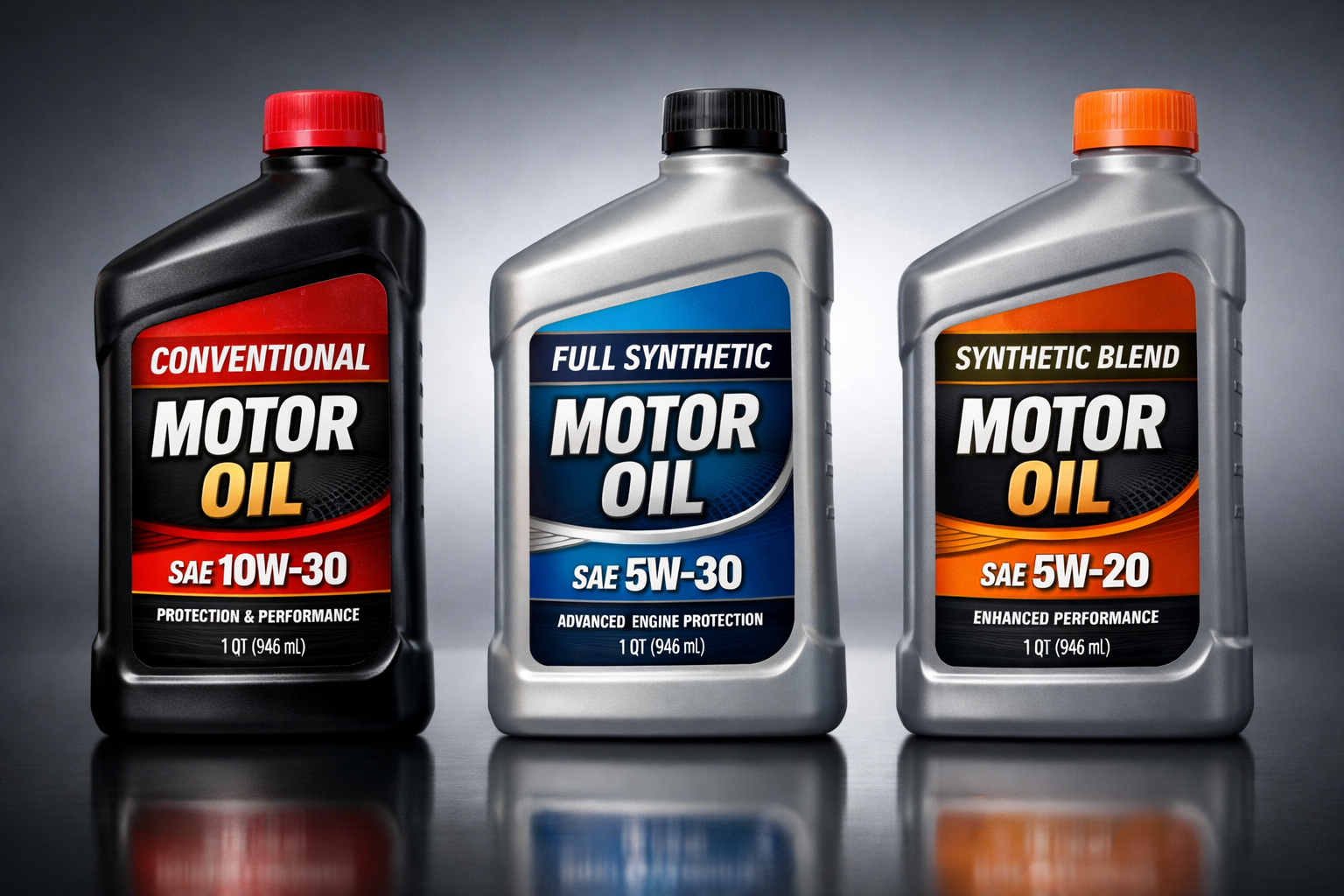
    Motor oils are categorized into three main types: conventional, synthetic, and synthetic blend. Each type has unique properties that make it suitable for different vehicles and driving conditions.

    <img src="/images/oil-bottles-display.jpg" alt="Conventional vs synthetic motor oil display" className="w-full rounded-2xl my-8 shadow-lg" />


    Conventional Motor Oil


    Conventional oil, also known as mineral oil, is derived directly from crude oil through a refining process. It's the most basic and affordable type of motor oil available.


    **Key Characteristics:**

  1. Natural base oil extracted from petroleum
  2. Contains additives for performance enhancement
  3. More affordable than synthetic options
  4. Shorter change intervals (typically 3,000-5,000 miles)

  5. **Best For:**# What is a Normal Price for an Oil Change?


    Oil change pricing can be confusing with wide variations across different service providers and locations. Understanding what constitutes a fair price for an oil change helps you make informed decisions about your vehicle's maintenance. This comprehensive guide breaks down typical costs, factors that influence pricing, and how to ensure you're getting good value for your money.


    Understanding Oil Change Pricing


    The cost of an oil change isn't just about the oil itself. It includes labor, parts, overhead, and profit margins. Different service providers have varying cost structures, which explains why prices can range from $25 to over $150 for the same basic service.


    [Image: Pie chart showing breakdown of oil change costs including oil, filter, labor, and overhead]


    Components of Oil Change Costs


    **Oil**: The primary cost component, varying by type and quantity needed

    **Oil Filter**: Essential for trapping contaminants, typically $5-15

    **Labor**: Time for the technician to perform the service

    **Overhead**: Shop rent, equipment, insurance, and administrative costs

    **Profit Margin**: Business operating costs and profit


    Average Costs by Oil Type


    Oil change prices vary significantly based on the type of oil used. Higher-quality oils command premium prices due to their advanced formulations and longer service life.


    Conventional Oil Change

    **Average Cost**: $30-$50

    **Best For**: Older vehicles, budget-conscious drivers

    **Change Interval**: 3,000-5,000 miles

    **Oil Cost**: $15-25 per quart


    Conventional oil is the most affordable option, making it popular for basic maintenance needs. It's suitable for vehicles with simpler engines and drivers who don't push their vehicles hard.


    Synthetic Blend Oil Change

    **Average Cost**: $50-$70

    **Best For**: Moderate driving conditions, vehicles needing better protection

    **Change Interval**: 5,000-7,500 miles

    **Oil Cost**: $25-35 per quart


    Synthetic blends offer a middle ground between conventional and full synthetic oils. They provide better performance than conventional oil at a more affordable price than full synthetic.


    Full Synthetic Oil Change

    **Average Cost**: $70-$120

    **Best For**: Newer vehicles, high-performance cars, extreme conditions

    **Change Interval**: 7,500-10,000 miles

    **Oil Cost**: $35-50+ per quart

    Is it Normal for an Oil Change to be $100?


    Oil change prices can vary dramatically, and seeing a $100 bill for what seems like a simple service often raises eyebrows. While $100 might sound expensive for an oil change, there are legitimate scenarios where this pricing is completely reasonable. Understanding the factors that influence oil change costs helps you determine when you're getting fair value and when prices might be inflated.


    When $100+ Oil Changes Are Reasonable


    Premium oil changes aren't just about the oil itself. Several factors can legitimately drive costs to $100 or more, especially for certain vehicles and service requirements.


    [Image: Luxury vehicle undergoing premium oil change service]


    Premium Oil Types and Specifications


    **Full Synthetic Oils**: Engineered for modern vehicles, full synthetic oils cost $35-50 per quart compared to $15-25 for conventional oil. For a 5-quart oil change, this alone adds $80-125 to the base cost.


    **High-Performance Oils**: Racing or specialty oils designed for turbocharged, high-performance engines can cost $50-100+ per quart.


    **OEM-Specific Oils**: Manufacturer-recommended oils for luxury brands often carry premium pricing due to specialized formulations.


    Luxury and High-Performance Vehicles


    **Complex Engine Designs**: European luxury vehicles like BMW, Mercedes, or Audi often have intricate engine layouts requiring more labor time and specialized tools.


    **Larger Oil Capacities**: SUVs, trucks, and luxury sedans typically need 6-8 quarts of oil, increasing material costs.


    **Specialized Equipment**: Dealerships invest in manufacturer-specific diagnostic tools and training, which are reflected in service pricing.


    **Extended Warranties**: Premium service often includes comprehensive inspections and documentation required for warranty compliance.


    Specialized Service Requirements


    **Additional Fluid Services**: Many $100+ oil changes include transmission fluid, differential fluid, or brake fluid top-offs.


    **Advanced Filters**: Premium oil filtration systems or additional cabin air filters can add $20-50 to the service.


    **Comprehensive Inspections**: Multi-point vehicle inspections with computerized diagnostics justify higher pricing.


    **Environmental Compliance**: Proper disposal and recycling of used oils and filters adds to operational costs.


    Breaking Down the Costs


    Let's examine what contributes to a $100 oil change:


    **Oil Cost**: $40-80 (full synthetic for luxury vehicle)

    **Oil Filter**: $10-25 (premium or OEM filter)

    **Labor**: $30-60 (45-90 minutes for complex service)

    **Overhead**: $10-20 (shop costs, disposal fees)

    **Profit Margi# How Much Should an Oil Change Service Be?


    Determining the right price for an oil change service can be challenging with such wide variations in pricing. The "right" price depends on your vehicle, location, service quality, and what you're willing to pay for peace of mind. This guide helps you understand typical pricing ranges and how to evaluate whether you're getting fair value for your oil change service.


    Understanding Service Pricing


    Oil change pricing isn't arbitrary—it reflects the cost of materials, labor, overhead, and profit margins. Different service providers have different cost structures, which explains why prices can range from $25 to $150+ for essentially the same service.


    [Image: Service provider comparing different pricing models for oil changes]


    Cost Components


    **Materials**: Oil and filter costs vary by quality and specifications

    **Labor**: Technician time and expertise

    **Overhead**: Shop rent, equipment, insurance, and supplies

    **Profit**: Business operating costs and profit margins

    **Taxes**: Applicable sales tax on parts and service


    Service Tiers


    **Budget Service**: Basic oil and filter change, minimal inspection

    **Standard Service**: Quality oil, filter, basic inspection

    **Premium Service**: Full synthetic oil, comprehensive inspection, additional services

    **Luxury Service**: OEM parts, specialized service, extended warranty


    Cost Breakdown by Service Level


    Budget Oil Change ($25-$45)


    **What's Included**:

  6. Conventional oil (API certified)
  7. Basic oil filter
  8. Oil and filter replacement
  9. Minimal inspection

  10. **Best For**:

  11. Older vehicles (pre-2000)
  12. Budget-conscious drivers
  13. Short commuting distances
  14. Vehicles in good condition

  15. **Limitations**:

  16. Shorter service intervals
  17. Basic protection only
  18. No comprehensive inspection
  19. May use generic parts

  20. Standard Oil Change ($45-$75)


    **What's Included**:

  21. Synthetic blend oil
  22. Quality oil filter
  23. Complete oil and filter service
  24. Basic vehicle inspection
  25. Fluid level checks

  26. **Best For**:

  27. Most modern vehicles
  28. Average driving conditions
  29. Mixed city/highway use
  30. Vehicles under warranty

  31. **Advantages**:

  32. Better engine protection
  33. Longer service intervals
  34. Basic safety checks
  35. Good value balance

  36. Premium Oil Change ($75-$125)


    **What's Included**:

  37. Full synthetic oil
  38. Premium or OEM filter
  39. Comprehensive service
  40. Multi-point inspection
  41. Additional fluid top-offs
  42. Service documentation

  43. **Best For**:

  44. Newer vehicles (2010+)
  45. High-performance engines
  46. Extreme driving conditions
  47. Luxury vehicles

  48. **Advantages**:

  49. Superior engine protection
  50. Extended service life
  51. Comprehensive maintenance
  52. Warranty compliance

  53. Luxury Oil Change ($125-$200+)


    **What's Included**:

  54. Specialty or OEM oils
  55. Premium filtration systems
  56. Advanced diagnostics
  57. Complete fluid service
  58. Detailed documentation
  59. Extended service warranty

  60. **Best For**:

  61. Luxury brands (BMW, Mercedes, etc.)
  62. High-performance vehicles
  63. Commercial fleets
  64. Warranty-critical service

  65. **Advantages**:

  66. Manufacturer compliance
  67. Maximum protection
  68. Professional documentation
  69. Peace of mind

  70. Vehicle-Specific Pricing


    The complexity and requirements of your vehicle significantly impact service costs.


    Sedan/Coupe Pricing

  71. **Compact Cars**: $30-$60
  72. **Mid-size Sedans**: $40-$70
  73. **Full-size Sedans**: $50-$80

  74. SUV/Crossover Pricing

  75. **Compact SUVs**: $45-$75
  76. **Mid-size SUVs**: $55-$90
  77. **Full-size SUVs**: $65-$110

  78. Truck/Pickup Pricing

  79. **Half-ton Trucks**: $50-$85
  80. **Heavy-duty Trucks**: $70-$130+

  81. Specialty Vehicles

  82. **Diesels**: $60-$120
  83. **Turbocharged**: $70-$130
  84. **Modified Vehicles**: $80-$150+

  85. Regional Cost Variations


    Location plays a major role in service pricing due to differences in cost of living, competition, and market conditions.


    High-Cost Regions

  86. **Major Cities**: $60-$130
  87. **Coastal Areas**: $55-$120
  88. **High-Income Areas**: $65-$140

  89. Factors: Higher rent, labor costs, insurance, and demand.


    Moderate-Cost Regions

  90. **Suburban Areas**: $45-$90
  91. **Midwest**: $40-$85
  92. **Balanced Markets**: $45-$95

  93. Factors: Reasonable overhead with good competition.


    Lower-Cost Regions

  94. **Rural Areas**: $30-$70
  95. **Small Towns**: $35-$75
  96. **Competitive Markets**: $30-$80

  97. Factors: Lower overhead and operating costs.


    Quality Indicators


    High-quality service should include these elements regardless of price point:


    Professional Standards

  98. **Certified Technicians**: ASE certification or equivalent
  99. **Clean Facility**: Well-maintained service area
  100. **Proper Equipment**: Quality tools and lifts
  101. **Documentation**: Detailed service records

  102. Service Quality

  103. **Quality Parts**: Recognized brands and specifications
  104. **Proper Procedures**: Correct oil type and quantity
  105. **Safety Measures**: Proper disposal and containment
  106. **Warranty**: Service guarantees

  107. Customer Service

  108. **Transparency**: Clear pricing and explanations
  109. **Communication**: Updates during service
  110. **Follow-up**: Post-service support
  111. **Satisfaction Guarantee**: Resolution of issues

  112. Warning Signs of Poor Value


    Be cautious of services that may not provide good value:


    Pricing Red Flags

  113. **Unusually Low Prices**: May indicate cut corners
  114. **Hidden Fees**: Additional charges not disclosed
  115. **Pressure Sales**: High-pressure add-on sales
  116. **No Itemization**: Vague service descriptions

  117. Quality Concerns

  118. **Generic Parts**: Cheap, unbranded components
  119. **Rushed Service**: Quick turnaround without proper care
  120. **No Warranty**: Lack of service guarantees
  121. **Poor Reviews**: Consistent customer complaints

  122. Actionable Cost Evaluation


    Questions to Ask

    1. **What's included in the price?** Get complete breakdown

    2. **What oil type and filter?** Confirm quality specifications

    3. **How long will it take?** Understand service duration

    4. **What's your warranty?** Know the service guarantees

    5. **Can I see reviews?** Check customer satisfaction


    Comparison Shopping

  123. **Get Multiple Quotes**: Compare at least 3 providers
  124. **Standardize Requests**: Ask for same service specifications
  125. **Check Reviews**: Research provider reputation
  126. **Verify Credentials**: Confirm technician certifications

  127. Bonus: Budgeting for Regular Maintenance


    Annual Cost Planning


    **Low-Mileage Driver (6,000 miles/year)**:

  128. Conventional oil: $80-$150/year
  129. Synthetic blend: $120-$200/year
  130. Full synthetic: $160-$250/year

  131. **Average Driver (12,000 miles/year)**:

  132. Conventional oil: $160-$300/year
  133. Synthetic blend: $240-$400/year
  134. Full synthetic: $320-$500/year

  135. **High-Mileage Driver (18,000 miles/year)**:

  136. Conventional oil: $240-$450/year
  137. Synthetic blend: $360-$600/year
  138. Full synthetic: $480-$750/year

  139. Budgeting Strategies

  140. **Monthly Savings**: Set aside $20-50/month
  141. **Annual Planning**: Budget for 4-6 oil changes yearly
  142. **Service Packages**: Look for maintenance plans
  143. **Timing**: Schedule during sales or promotions

  144. Bonus: Negotiating Better Rates


    Effective Negotiation Tactics

  145. **Bundle Services**: Combine oil change with other maintenance
  146. **Loyalty Programs**: Join for repeat customer discounts
  147. **Timing**: Schedule during slow periods
  148. **Comparison**: Use competitor quotes for leverage
  149. **Senior/Military Discounts**: Ask about special pricing

  150. When to Walk Away

  151. **Unreasonable Markups**: 50%+ over market rate
  152. **Poor Communication**: Lack of transparency
  153. **Quality Concerns**: Signs of substandard service
  154. **Pressure Tactics**: Aggressive upselling

  155. Conclusion


    The appropriate price for an oil change service depends on your vehicle type, desired service level, and location. Budget options start at $25-$45, while premium services for luxury vehicles can reach $125-$200+. The key is finding a balance between cost and quality that meets your needs.


    Focus on value rather than just price. A slightly more expensive service that uses quality products, provides comprehensive inspection, and offers warranty coverage often provides better long-term value than the cheapest option.


    At MOMS Mobile Oil Change, we offer transparent pricing with no hidden fees and quality service that comes to you. Our certified technicians provide honest recommendations and professional service at competitive rates. Contact us today for a personalized quote that fits your budget and vehicle needs.No Itemization**: Vague "service fee" charges

  156. **Generic Parts**: Cheap, unbranded filters
  157. **Pressure Tactics**: High-pressure sales for add-ons
  158. **No Warranty**: Lack of service guarantees
  159. **Hidden Fees**: Additional charges not disclosed

  160. Value Assessment


    When evaluating a $100 oil change, consider the total value:


    Long-Term Benefits


  161. **Extended Oil Life**: Premium oils last longer, reducing change frequency
  162. **Better Protection**: Superior engine protection prevents costly repairs
  163. **Improved Performance**: Enhanced fuel economy and power delivery
  164. **Warranty Compliance**: Maintains manufacturer coverage

  165. Cost-Benefit Analysis


  166. **Conventional Oil**: $40-60 every 3,000-5,000 miles
  167. **Full Synthetic**: $80-120 every 7,500-10,000 miles
  168. **Break-even Point**: Typically 15,000-20,000 miles

  169. Actionable Questions to Ask


    Before committing to a $100+ oil change:


    1. **What's included?** Get a detailed breakdown

    2. **Why this price?** Understand the justification

    3. **What's the oil type?** Confirm quality and specifications

    4. **What's your warranty?** Know the service guarantees

    5. **Can I see reviews?** Check customer satisfaction

    6. **Are there alternatives?** Compare options


    Bonus: Cost-Saving Strategies


    Smart Shopping Tips


  170. **Shop Around**: Get quotes from multiple providers
  171. **Timing Matters**: Schedule during off-peak hours
  172. **Membership Programs**: Join service loyalty programs
  173. **DIY Options**: Learn to do basic services yourself
  174. **Preventive Maintenance**: Regular care reduces repair costs

  175. Negotiation Tactics


  176. **Bundle Services**: Combine multiple maintenance items
  177. **Ask for Discounts**: Inquire about senior/military/student rates
  178. **Loyalty Rewards**: Build relationships with service providers
  179. **Comparison Shopping**: Use quotes to negotiate better rates

  180. Bonus: When to Seek Second Opinions

    How Many Miles Overdue Can I Be for an Oil Change?


    Driving with overdue oil changes is a common scenario, but it raises important questions about engine safety and potential damage. While modern engines are more forgiving than older models, exceeding recommended oil change intervals can still cause problems. This guide helps you understand the risks and make informed decisions about when to schedule service.


    Understanding Oil Change Intervals


    Oil change frequency depends on several factors, including oil type, driving conditions, and vehicle age. Modern vehicles often have oil life monitoring systems that calculate optimal change intervals based on your driving patterns.


    [Image: Oil life monitoring system display showing percentage remaining]


    Conventional Oil Intervals

  181. **Standard Driving**: 3,000-5,000 miles
  182. **Severe Conditions**: 3,000 miles
  183. **Short Trips**: More frequent changes needed

  184. Synthetic Blend Intervals

  185. **Standard Driving**: 5,000-7,500 miles
  186. **Severe Conditions**: 3,000-5,000 miles
  187. **Mixed Conditions**: 5,000-6,000 miles

  188. Full Synthetic Intervals

  189. **Standard Driving**: 7,500-10,000 miles
  190. **Severe Conditions**: 5,000-7,500 miles
  191. **Highway Driving**: Up to 10,000+ miles

  192. Severe Service Conditions

  193. **Frequent Short Trips**: Under 5 miles
  194. **Extreme Temperatures**: Below -20°F or above 90°F
  195. **Heavy Loads**: Towing or carrying heavy cargo
  196. **Stop-and-Go Traffic**: City driving with frequent stops
  197. **Dusty Conditions**: Off-road or construction areas

  198. Risks of Being Overdue


    The consequences of overdue oil changes vary based on how many miles you've exceeded the recommended interval and your driving conditions.


    1,000-2,000 Miles Overdue


    **Short-term Effects**:

  199. **Reduced Efficiency**: Oil becomes thicker, creating more resistance
  200. **Increased Fuel Consumption**: Engine works harder, burning more gas
  201. **More Engine Noise**: Lack of proper lubrication causes additional friction
  202. **Higher Operating Temperatures**: Poor heat dissipation

  203. **Risk Level**: Low to moderate. Most engines can handle this without immediate damage, but efficiency suffers.


    2,000-5,000 Miles Overdue


    **Medium-term Effects**:

  204. **Accelerated Wear**: Metal components grind together more
  205. **Sludge Formation**: Contaminants build up in oil passages
  206. **Reduced Performance**: Loss of power and responsiveness
  207. **Increased Emissions**: Incomplete combustion releases more pollutants

  208. **Risk Level**: Moderate. Some wear may occur, but major damage is unlikely if caught soon.


    5,000-10,000 Miles Overdue


    **Long-term Effects**:

  209. **Significant Wear**: Bearing and piston damage possible
  210. **Heavy Sludge**: Oil passages may become restricted
  211. **Overheating Issues**: Poor cooling leads to hot spots
  212. **Component Failure**: Seals, gaskets, or bearings may fail

  213. **Risk Level**: High. Serious damage becomes more likely, especially in older engines.


    10,000+ Miles Overdue


    **Severe Effects**:

  214. **Catastrophic Failure**: Engine seizure possible
  215. **Major Repairs**: Rebuild or replacement may be needed
  216. **Safety Risks**: Loss of vehicle control
  217. **Total Loss**: Engine may become uneconomical to repair

  218. **Risk Level**: Critical. Immediate service required. Continued driving not recommended.


    Signs Your Oil Change is Overdue


    Modern vehicles provide warning signs when oil service is needed:


    Dashboard Warnings

  219. **Oil Pressure Light**: Illuminates when pressure drops
  220. **Oil Change Indicator**: Shows when service is due
  221. **Check Engine Light**: May indicate oil-related issues
  222. **Temperature Warning**: Overheating from poor oil condition

  223. Performance Indicators

  224. **Engine Knocking**: Unusual noises from lack of lubrication
  225. **Reduced Power**: Sluggish acceleration and response
  226. **Rough Idling**: Uneven engine operation
  227. **Increased Vibration**: More noticeable at idle or low speeds

  228. Visual and Sensory Signs

  229. **Dark Oil**: Oil appears black or very dark brown
  230. **Burning Smell**: Hot oil odor from engine compartment
  231. **Exhaust Smoke**: Blue smoke indicates oil burning
  232. **Low Oil Level**: Oil drops below safe levels

  233. What Happens When Oil Degrades


    Understanding oil degradation helps explain why overdue changes are risky:


    Oxidation Process

  234. **Heat Breakdown**: High temperatures break down oil molecules
  235. **Chemical Reactions**: Oxygen combines with oil, creating acids
  236. **Viscosity Loss**: Oil becomes thinner, losing protective properties
  237. **Additive Depletion**: Protective chemicals get used up

  238. Contamination Buildup

  239. **Fuel Dilution**: Gasoline mixes with oil in cold starts
  240. **Water Ingress**: Condensation enters through breathers
  241. **Metal Particles**: Engine wear creates debris
  242. **Soot Accumulation**: Incomplete combustion deposits

  243. Protective Loss

  244. **Lubrication Failure**: Insufficient film thickness
  245. **Cooling Reduction**: Poor heat transfer
  246. **Cleaning Loss**: Inability to remove deposits
  247. **Corrosion Increase**: Acid buildup attacks metal surfaces

  248. Engine Damage Assessment


    Different engine components suffer varying degrees of damage from overdue oil changes:


    Bearing Wear

  249. **Rod Bearings**: High-load components fail first
  250. **Main Bearings**: Support crankshaft, critical for operation
  251. **Cam Bearings**: Valve train components wear prematurely

  252. Piston and Ring Damage

  253. **Ring Sticking**: Carbon deposits prevent proper sealing
  254. **Cylinder Scoring**: Metal-to-metal contact scratches surfaces
  255. **Oil Consumption**: Worn rings allow oil to burn

  256. Valve Train Issues

  257. **Lifter Wear**: Hydraulic lifters collapse without proper oil
  258. **Camshaft Damage**: Lobe wear from poor lubrication
  259. **Timing Chain Tension**: Increased wear on timing components

  260. Safe Limits for Different Vehicles


    Safety margins vary by vehicle type and age:


    Older Vehicles (Pre-2000)

  261. **More Forgiving**: Built with looser tolerances
  262. **Conventional Oil**: Can handle 1,000-2,000 miles over
  263. **Higher Risk**: Older engines less tolerant of neglect

  264. Modern Vehicles (2000-2010)

  265. **Computer Monitoring**: Oil life systems provide warnings
  266. **Synthetic Capable**: Better protection with quality oil
  267. **Moderate Risk**: 500-1,000 miles over generally safe

  268. Current Vehicles (2010+)

  269. **Advanced Monitoring**: Multiple sensors track oil condition
  270. **Extended Intervals**: Designed for longer oil life
  271. **Lower Risk**: Can often handle 1,000-2,000 miles over

  272. High-Performance Engines

  273. **Higher Stress**: Turbochargers and high RPM increase wear
  274. **Special Oils**: Require specific formulations
  275. **Lower Tolerance**: Should not exceed intervals significantly

  276. Actionable Steps If You're Overdue


    If you discover you're overdue for an oil change:


    Immediate Actions

    1. **Check Oil Level**: Ensure adequate oil quantity

    2. **Inspect Oil Condition**: Look for darkness or particles

    3. **Monitor Warning Lights**: Watch for any illumination

    4. **Reduce Driving**: Minimize high-speed or heavy-load use


    Professional Service

    1. **Schedule Immediately**: Don't delay further

    2. **Choose Quality Service**: Use reputable provider

    3. **Request Inspection**: Have technician check for damage

    4. **Document Everything**: Keep records of service


    Damage Assessment

    1. **Oil Analysis**: Send sample for laboratory testing

    2. **Compression Test**: Check cylinder pressure

    3. **Leak-down Test**: Verify valve sealing

    4. **Borescope Inspection**: Visual engine examination


    Bonus: Oil Change Frequency Calculator


    Personal Calculator Factors

  277. **Annual Mileage**: How many miles you drive yearly
  278. **Driving Style**: City vs. highway percentage
  279. **Climate**: Average temperatures in your area
  280. **Vehicle Age**: Older vehicles need more frequent changes
  281. **Oil Type**: Conventional vs. synthetic intervals

  282. Calculation Example

    **12,000 miles/year, 70% highway, moderate climate, 2015 vehicle:**

  283. Recommended: Every 6,000-8,000 miles
  284. Annual changes: 1.5-2 services
  285. Cost range: $150-$300/year

  286. Online Tools

  287. **Manufacturer Apps**: OEM-specific calculators
  288. **Oil Brand Tools**: Brand-specific recommendations
  289. **Maintenance Trackers**: Phone apps for scheduling

  290. Bonus: Preventing Future Overdue Situations


    Proactive Strategies

    1. **Set Reminders**: Calendar alerts and phone notifications

    2. **Track Mileage**: Regular mileage checks

    3. **Service History**: Maintain detailed records

    4. **Visual Cues**: Mark calendar with service dates


    Technology Solutions

  291. **Oil Life Monitors**: Built-in vehicle systems
  292. **Maintenance Apps**: Digital tracking tools
  293. **Service Reminders**: Dealership notification programs
  294. **Smart Gauges**: Real-time oil condition monitoring

  295. Routine Habits

  296. **Monthly Checks**: Oil level and condition inspection
  297. **Regular Maintenance**: Combine with other services
  298. **Seasonal Adjustments**: More frequent in extreme weather
  299. **Professional Consultation**: Regular mechanic input

  300. Conclusion


    While modern engines can tolerate being somewhat overdue for oil changes, it's never advisable to push the limits. The "safe" mileage over depends on your vehicle, oil type, and driving conditions, but generally, you should aim to stay within 1,000 miles of the recommended interval.


    If you're significantly overdue, don't panic—but don't delay service either. Schedule an oil change immediately and have your vehicle inspected for potential damage. Prevention through regular maintenance is always cheaper and safer than dealing with engine problems.


    At MOMS Mobile Oil Change, we help you stay on schedule with convenient mobile service and maintenance reminders. Our certified technicians can assess your vehicle's condition and recommend the best service interval for your driving needs. Contact us today to get back on track with your maintenance schedule.w York City: $60-$120

  301. Boston: $55-$100
  302. Philadelphia: $45-$85

  303. Higher costs reflect increased overhead and living expenses in major metropolitan areas.


    Southern Region

  304. Atlanta: $35-$70
  305. Dallas: $30-$65
  306. Miami: $40-$75

  307. More competitive markets with lower cost structures.


    Midwest Region

  308. Chicago: $40-$80
  309. Detroit: $35-$70
  310. Minneapolis: $38-$75

  311. Balanced pricing with good value for service.


    Western Region

  312. Los Angeles: $55-$110
  313. San Francisco: $65-$130
  314. Seattle: $50-$95

  315. Premium pricing in high-cost areas with strong demand.


    What You Should Expect to Pay


    Based on extensive industry data and customer reports, here are realistic price ranges for quality oil change services:


    **Budget Option**: $25-$45 (quick lube, conventional oil)

    **Standard Service**: $45-$75 (independent shop, synthetic blend)

    **Premium Service**: $75-$125 (dealership, full synthetic)

    **Luxury Service**: $125+ (specialized vehicles, mobile service)


    Warning Signs of Overpricing


    Be cautious of services that seem too expensive or include unnecessary add-ons:


  316. **Hidden Fees**: Additional charges not disclosed upfront
  317. **Upselling Pressure**: Pushing unnecessary services
  318. **Generic Parts**: Using cheap, low-quality filters
  319. **No Warranty**: Lack of guarantee on work performed
  320. **Long Wait Times**: Poor scheduling leading to extended service

  321. Value vs. Cost


    The cheapest oil change isn't always the best value. Consider these factors when evaluating pricing:


    Quality Indicators

  322. **Certified Technicians**: ASE certification ensures competence
  323. **Quality Parts**: OEM or equivalent specifications
  324. **Warranty Coverage**: Protection against defects
  325. **Customer Reviews**: Track record of satisfaction
  326. **Transparency**: Clear pricing and explanations

  327. Long-Term Savings

  328. **Extended Oil Life**: Synthetic oils reduce change frequency
  329. **Better Fuel Economy**: Improved MPG saves money over time
  330. **Prevented Repairs**: Regular maintenance avoids costly breakdowns
  331. **Resale Value**: Well-maintained vehicles sell for more

  332. Actionable Tips for Getting Fair Pricing


    1. **Shop Around**: Get quotes from multiple providers

    2. **Know Your Vehicle**: Understand your oil requirements

    3. **Ask Questions**: Inquire about what's included

    4. **Check Reviews**: Research service quality

    5. **Consider Timing**: Schedule during off-peak hours

    6. **Look for Coupons**: Take advantage of promotions

    7. **Join Programs**: Loyalty programs for repeat customers

    8. **Negotiate**: Be willing to walk away from bad deals


    Bonus: Oil Change Frequency and Cost Planning


    Conventional Oil Schedule

  333. Every 3,000-5,000 miles
  334. Annual cost: $120-$300 (assuming 12,000 miles/year)

  335. Synthetic Oil Schedule

  336. Every 7,500-10,000 miles
  337. Annual cost: $80-$200 (assuming 12,000 miles/year)

  338. Cost-Benefit Analysis

  339. **Short-term**: Conventional may seem cheaper
  340. **Long-term**: Synthetic saves money through fewer changes
  341. **Break-even Point**: Typically 15,000-20,000 miles

  342. Planning Tips

  343. **Track Mileage**: Use phone apps or spreadsheets
  344. **Set Reminders**: Calendar alerts for upcoming changes
  345. **Budget Monthly**: Set aside $20-50/month for maintenance
  346. **Compare Options**: Annual plans vs. pay-per-visit

  347. Bonus: Hidden Costs to Avoid


    Environmental Fees

  348. **What it is**: Disposal costs for used oil
  349. **Typical Cost**: $1-$5
  350. **Is it necessary?**: Yes, but should be included in base price

  351. Shop Supplies Fee

  352. **What it is**: Cost of funnels, drain pans, etc.
  353. **Typical Cost**: $5-$15
  354. **Is it necessary?**: Often bundled, but question if separate

  355. Diagnostic Fees

  356. **What it is**: Computer scans or additional checks
  357. **Typical Cost**: $50-$100
  358. **Is it necessary?**: Only if you request it

  359. Rush Fees

  360. **What it is**: Expedited service charges
  361. **Typical Cost**: $20-$50
  362. **Is it necessary?**: Avoid by scheduling ahead

  363. Conclusion


    A normal price for an oil change typically ranges from $30-$120 depending on your location, vehicle type, and oil selection. The key is finding a balance between cost and quality that meets your vehicle's needs.


    Remember that the cheapest option isn't always the best value. Investing in quality service and appropriate oil type can save you money in the long run through better performance, fewer repairs, and extended vehicle life.


    At MOMS Mobile Oil Change, we offer transparent pricing with no hidden fees, high-quality service, and the convenience of coming to you. Our certified technicians use premium products and provide honest recommendations based on your vehicle's specific needs.


    Don't let confusing pricing prevent you from maintaining your vehicle properly. Understanding typical costs and what influences pricing empowers you to make smart decisions about your car's care.x of conventional and synthetic base oils

  364. Improved performance over conventional oil
  365. More affordable than full synthetic
  366. Extended change intervals compared to conventional
  367. Good balance of cost and performance

  368. **Best For:**

  369. Vehicles transitioning from conventional to synthetic
  370. Moderate driving conditions
  371. Budget-conscious owners seeking better protection
  372. Older vehicles that can benefit from enhanced oil properties

  373. Factors to Consider When Choosing Oil


    Several important factors influence which type of motor oil is right for your vehicle. Understanding these will help you make the best choice.


    Vehicle Age and Type


    **Newer Vehicles (2010 and newer):**

  374. Often require synthetic oil for optimal performance
  375. Advanced engines benefit from synthetic's superior protection
  376. Manufacturer warranties may require specific oil types

  377. **Older Vehicles (pre-2010):**

  378. Conventional oil may be sufficient
  379. Synthetic blends can provide extra protection
  380. Check owner's manual for compatibility

  381. **High-Performance Vehicles:**

  382. Require full synthetic oil
  383. Need oils with specific viscosity ratings
  384. May have unique requirements from manufacturer

  385. Driving Conditions


    **City Driving:**

  386. Frequent stop-and-go creates more engine stress
  387. Higher temperatures from traffic
  388. More contaminants from incomplete combustion
  389. Benefits from synthetic oil's cleaning properties

  390. **Highway Driving:**

  391. Steady speeds with less stress
  392. Better cooling from airflow
  393. Conventional or synthetic blend often sufficient

  394. **Severe Conditions:**

  395. Extreme temperatures (very hot or cold)
  396. Dusty or dirty environments
  397. Heavy towing or hauling
  398. Racing or high-performance use
  399. Requires synthetic oil for protection

  400. Climate Considerations


    **Hot Climates:**

  401. Oil thins out more quickly
  402. Need oils with higher viscosity ratings
  403. Synthetic oils maintain viscosity better
  404. Prevents oil breakdown from heat

  405. **Cold Climates:**

  406. Oil thickens in cold temperatures
  407. Need oils with lower winter viscosity ratings
  408. Synthetic oils flow better in cold weather
  409. Easier cold starts and better engine protection

  410. Manufacturer Recommendations


    Always consult your owner's manual for the manufacturer's specific recommendations. Modern vehicles often specify:

  411. Oil viscosity grade (e.g., 5W-30)
  412. Oil type (conventional, synthetic, etc.)
  413. API service classification
  414. OEM-specific requirements

  415. Viscosity and Oil Grades


    Oil viscosity refers to its resistance to flow. The Society of Automotive Engineers (SAE) developed a grading system that appears on oil containers as numbers like 5W-30.


    [Image: Oil viscosity chart showing how oils behave at different temperatures]


    Understanding Viscosity Ratings


    The first number (before W) indicates cold-temperature viscosity:

  416. Lower numbers (0W, 5W) flow better in cold weather
  417. Higher numbers (10W, 15W) are thicker when cold

  418. The second number indicates high-temperature viscosity:

  419. Lower numbers (20, 30) are thinner at operating temperatures
  420. Higher numbers (40, 50) are thicker at operating temperatures

  421. Common Viscosity Grades


  422. **5W-30**: Most popular grade, works in wide temperature range
  423. **0W-20**: Excellent cold-weather performance, fuel efficient
  424. **10W-40**: Good for older engines, provides thick oil film
  425. **5W-40**: European specification, good for turbocharged engines

  426. Benefits of Different Oil Types


    Advantages of Synthetic Oil


  427. **Superior Protection**: Better resistance to breakdown
  428. **Extended Drain Intervals**: Longer time between changes
  429. **Better Fuel Economy**: Reduced friction improves MPG
  430. **Cold Weather Performance**: Flows better in freezing temperatures
  431. **Engine Cleanliness**: Superior detergent properties

  432. Advantages of Conventional Oil


  433. **Cost Effective**: Lower purchase price
  434. **Widely Available**: Easy to find at any auto parts store
  435. **Proven Track Record**: Has been used for decades
  436. **Compatible**: Works with all engine types

  437. Advantages of Synthetic Blend


  438. **Balanced Performance**: Better than conventional, cheaper than synthetic
  439. **Improved Protection**: Enhanced additives and base oils
  440. **Extended Intervals**: Longer change periods than conventional
  441. **Versatility**: Works in various conditions

  442. Common Myths About Motor Oil


    Myth 1: Synthetic Oil is Only for Luxury Cars


    **Reality:** Synthetic oil benefits all vehicles, from economy cars to luxury models. It provides better protection and performance regardless of price.


    Myth 2: Switching to Synthetic Requires Engine Flush


    **Reality:** Modern engines can switch to synthetic without flushing. However, it's always good practice to change the oil filter when switching types.


    Myth 3: Thicker Oil is Always Better


    **Reality:** Oil viscosity should match manufacturer specifications. Wrong viscosity can cause poor performance or increased wear.


    Myth 4: All Oils Are the Same Quality


    **Reality:** Oil quality varies by brand and formulation. Always choose oils that meet API specifications.


    How to Check Your Owner's Manual


    Your owner's manual is the authoritative source for oil requirements:


    1. **Locate the Oil Section**: Usually in maintenance or specifications chapter

    2. **Note Viscosity Requirements**: Specific SAE grade required

    3. **Check Oil Type**: Conventional, synthetic, or blend

    4. **Review Change Intervals**: Miles or time between changes

    5. **Note Special Requirements**: Any OEM-specific oils needed


    Actionable Steps to Choose the Right Oil


    1. **Consult Your Manual**: Start with manufacturer recommendations

    2. **Assess Your Driving**: Consider climate and conditions

    3. **Check Current Oil**: What type and viscosity are you using?

    4. **Research Options**: Compare conventional vs. synthetic for your vehicle

    5. **Consider Budget**: Balance cost with performance needs

    6. **Buy Quality**: Choose reputable brands that meet specifications

    7. **Schedule Professional Help**: When in doubt, consult a professional


    Bonus: Oil Change Frequency Guide


    Conventional Oil

  443. Normal driving: 3,000-5,000 miles
  444. Severe conditions: 3,000 miles
  445. Older vehicles: 3,000 miles

  446. Synthetic Oil

  447. Normal driving: 7,500-10,000 miles
  448. Severe conditions: 5,000-7,500 miles
  449. High-performance: 5,000-7,500 miles

  450. Synthetic Blend

  451. Normal driving: 5,000-7,500 miles
  452. Severe conditions: 3,000-5,000 miles

  453. Factors affecting frequency:

  454. Driving style (aggressive vs. conservative)
  455. Climate (extreme hot/cold)
  456. Vehicle age and mileage
  457. Oil life monitoring systems

  458. Bonus: Signs Your Oil Choice Might Be Wrong


    Engine Noise

  459. Knocking or ticking sounds
  460. Increased engine noise during operation

  461. Performance Issues

  462. Reduced acceleration
  463. Poor fuel economy
  464. Hard starting in cold weather

  465. Warning Lights

  466. Oil pressure warning light
  467. Check engine light related to oil

  468. Oil Condition

  469. Oil that darkens quickly
  470. Excessive oil consumption
  471. Sludge buildup

  472. Conclusion


    Choosing the right motor oil for your car doesn't have to be complicated. By understanding the different types available, considering your vehicle's needs, and following manufacturer recommendations, you can select an oil that provides optimal protection and performance.


    Remember, the best oil is the one that meets your vehicle's specifications and fits your driving conditions. When in doubt, consult with automotive professionals who can provide personalized recommendations based on your specific situation.


    At Mom's Mobile Oil Change, our certified technicians can help you determine the best oil for your vehicle and perform professional oil changes with the right products. Contact us today to ensure your car gets the protection it deserves.

    technicaloil-typesengine-care

    Written by John Smith

    Expert in mobile oil change services with years of experience helping drivers maintain their vehicles.

    Responses (42)

    On this page

    IntroductionUnderstanding Motor Oil TypesUnderstanding Oil Change PricingAverage Costs by Oil TypeWhen $100+ Oil Changes Are ReasonableBreaking Down the CostsUnderstanding Service PricingCost Breakdown by Service LevelVehicle-Specific PricingRegional Cost VariationsQuality IndicatorsWarning Signs of Poor ValueActionable Cost EvaluationBonus: Budgeting for Regular MaintenanceBonus: Negotiating Better RatesConclusionValue AssessmentActionable Questions to AskBonus: Cost-Saving StrategiesBonus: When to Seek Second OpinionsUnderstanding Oil Change IntervalsRisks of Being OverdueSigns Your Oil Change is OverdueWhat Happens When Oil DegradesEngine Damage AssessmentSafe Limits for Different VehiclesActionable Steps If You're OverdueBonus: Oil Change Frequency CalculatorBonus: Preventing Future Overdue SituationsConclusionWhat You Should Expect to PayWarning Signs of OverpricingValue vs. CostActionable Tips for Getting Fair PricingBonus: Oil Change Frequency and Cost PlanningBonus: Hidden Costs to AvoidConclusionFactors to Consider When Choosing OilViscosity and Oil GradesBenefits of Different Oil TypesCommon Myths About Motor OilHow to Check Your Owner's ManualActionable Steps to Choose the Right OilBonus: Oil Change Frequency GuideBonus: Signs Your Oil Choice Might Be WrongConclusion

    More from MOMS

    Is Full Synthetic Oil Worth It?

    5 min read • By MOMS Team

    Weekly Newsletter

    Get the best oil change tips delivered to your inbox.

    MOMS Mobile Oil Change

    AboutContact

    © 2026 MOMS Mobile Oil Change.